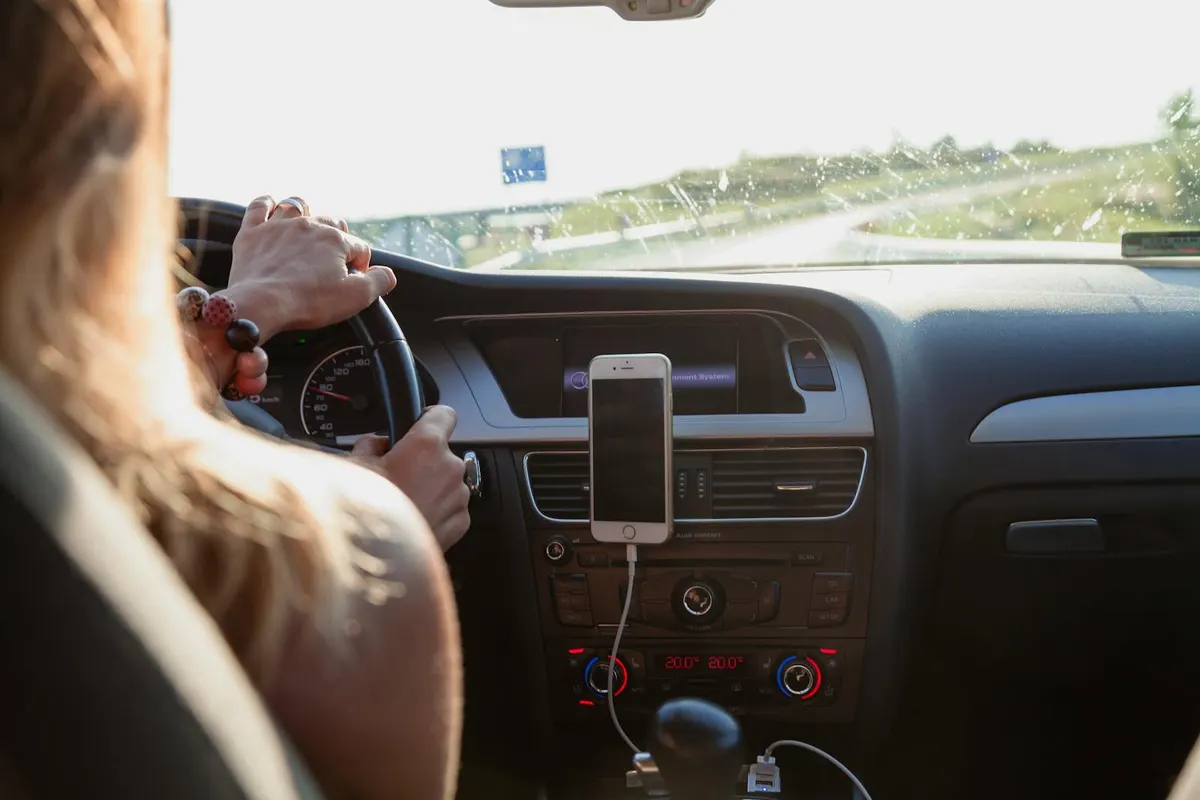
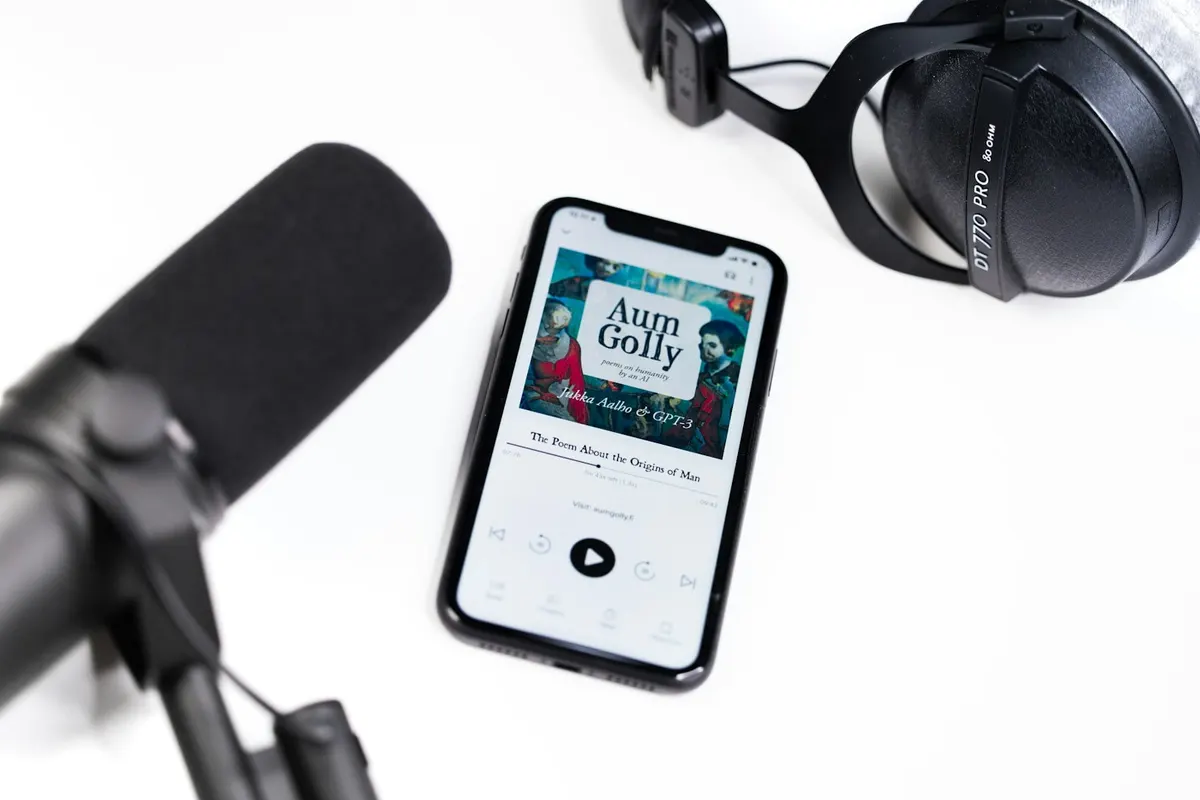
Choose an educational audiobook around a question you want to explore, not an obligation to make every mile productive. History, science, biography and language learning offer different listening experiences, and a book that works at home may need more concentration than you want to give it in a car.
Start with the listeners’ interests and familiarity with the subject. Then check the exact recording, its pace and any material that needs a diagram, workbook or screen. Drivers should leave detailed exercises and note-taking until a stop.
Start with a question and a suitable format
A useful starting question is more specific than “learn something”. You might want an introduction to a period of history, an account of someone’s life, an explanation of a scientific subject or ideas about a skill you are already practising. Choose a level that lets you follow the discussion without constantly looking things up.
Use the description and sample to check how the book teaches. A narrative account, a sequence of short explanations and a structured course are different formats. If you need to see a map, follow calculations or complete written exercises to understand a passage, save that part for a time when you can use the supporting material.
Young children: one idea at a time
For younger children, begin with a familiar interest and a manageable listening session. Stories about friendship, problem-solving or the natural world provide topics to talk about afterwards. Rhymes, repetition and simple vocabulary may be preferable to a long explanation, depending on the child.
Check what the audio actually contains. A book about letters, numbers or colours may depend on pictures or activities that do not translate into independent listening. Do not assume that a well-known print learning series has a complete audio equivalent, or that a title is suitable for a particular age without checking its description and sample.
Let the child’s response guide the session: pause, change the book or stop listening if they have had enough. For a story-led family journey, use the separate children’s road-trip guide.
Older children and teens: separate subjects from stories
Ask which subject the listener wants to explore. History and biography can focus on a period or a person; science and nature can start with a particular question. With language learning, check whether a lesson asks listeners to repeat phrases or complete exercises, and choose a time and setting that suit that format.
Fiction can also start a discussion, but it should not be presented as a factual course. The Book Thief listening guide is a named story option to investigate separately, with recording and content context. Check that context for the individual listener rather than treating the book as a universal recommendation for teenagers.
For shared listening, agree whether the group wants to discuss a chapter during a stop or simply hear the story. A lesson chosen solely by an adult may not match the interests of the younger people travelling.
Adults: choose the subject and the kind of claim
- History and biography: decide whether you want a broad overview or a closer account of a person or period. The Sapiens listening guide provides a specific starting point with edition information. An author’s interpretation is still something to assess, not a reason to treat a single book as the final account of a subject.
- Science and nature: check the sample for explanations you can follow in audio. Save passages that depend on charts, technical detail or close comparison for when you can give them more attention. Science fiction is a separate storytelling choice, not a substitute for factual science.
- Personal development: pick a question such as communication, habits or motivation. Consider an idea after listening rather than expecting the book itself to establish a new skill. Our motivational listening guide has a more focused shortlist.
- Business and finance: narrow the topic to the issue you are interested in. Choose a level and question that fit your interests, and save detailed examples to revisit after the journey.
Check the audience, narration and supporting material
Listen to the sample at a comfortable speed. Can the intended listeners follow the vocabulary and explanation? Does the narrator leave enough room to understand a new idea? Clear delivery matters more than a promise that the title is educational.
Check the exact runtime and chapter structure. Several shorter sessions may work better than trying to complete a long book during one drive. Confirm whether the edition is abridged and whether any companion material is necessary. Check content descriptions individually for children and mixed-age groups; a subject label alone does not settle suitability.
Use the provider’s listing for the final availability and access check. Our listening and downloading guide explains practical playback and offline preparation.
Prepare first, follow up when stopped
- Before departure: choose the book, prepare any download, test playback through the car’s audio system and set a comfortable volume.
- During the journey: pause when the driver needs more attention for the road. Do not use the drive as a target for faster playback or uninterrupted study.
- At a stop: write down a question, revisit an explanation or discuss a passage if the group wants to. Leave exercises and looking up references for this point.
- Afterwards: follow up the topic that interested you. Returning to one useful question can be more worthwhile than rushing through another book.
If the group would rather hear a story, the general road-trip shortlist covers fiction and non-fiction. Learning is one listening option, not a requirement for the journey.